Gerbils @ Work
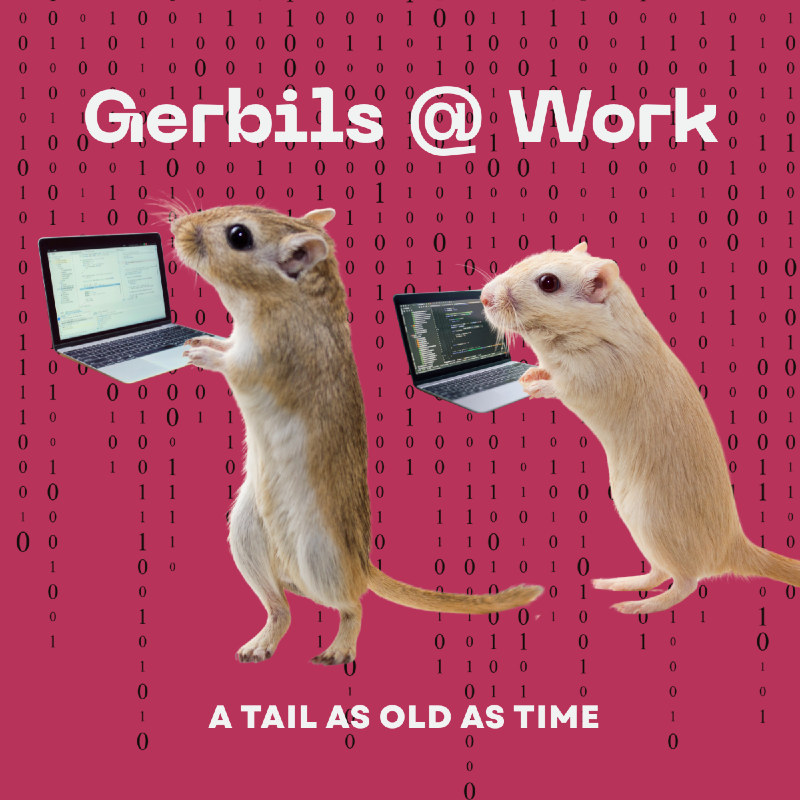
“We'll have one of the gerbils do it.” In a flash, I realized that I, a 22 year-old analyst with an Ann Taylor button-down, slacks, and sensible business flats, was the gerbil. The senior client executive had, in my presence, referred to me as a small…rodent.
It’s not that, conceptually, I didn’t understand. I did! The most junior people do the most menial work. Especially in consulting, hierarchy was well established. I had accepted the position with that knowledge and, though this was my first project, I already had a strong grasp on what it meant to be the least experienced person on the team.
While I don’t recall what exactly the executive was referring to when it came to gerbil work, I do remember some of the work I did on that project: manually going through an ancient CRM to find the home addresses of 100+ team members to send them each a physical notebook with the company logo on it, updating an Excel report every week, and sitting silently in meetings while clients and colleagues talked. Important stuff.
I told my mother I wanted to do what the partners were doing. She told me I had to wait, to work to get there, to earn it. She was right. I was inexperienced and eager, stubborn, and used to succeeding at school and in my jobs (mostly serving at restaurants, which was client management if ever there was such a thing). But I wanted to skip steps and jump ahead.
Quickly, I realized the only way up was through.
I hated the work I was doing. I hated where I was working: a gray cubicle among hundreds of gray cubicles. I missed creativity and autonomy, so much so that I came home one weekend and painted my bedroom Invitation to a Princess Pink (a vibrant magenta) while my sister (the owner of the house) was out of town.
I decided I was going to be the best I could be, for long enough. Then, I’d move on. I knew for certain I was not going to be like my career counselor, a partner who admitted she felt she got there because she let others tell her what to do and it “all worked out.” That was not my path, or my personality.
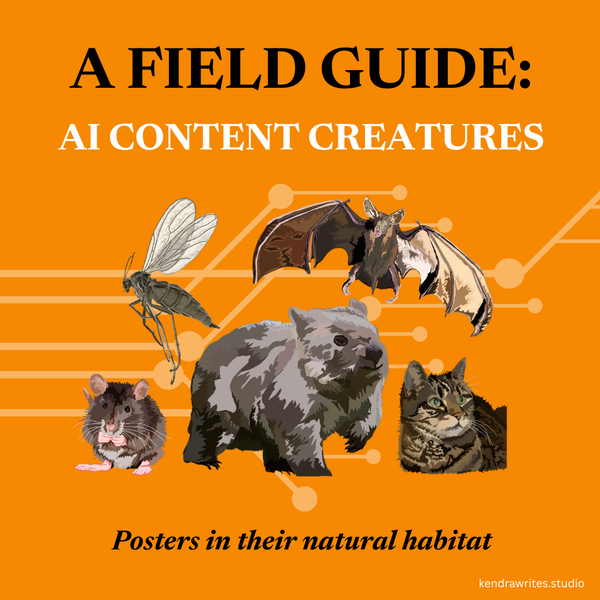
I decided I needed to do the gerbil work until I could step into the rat work. Then, I’d ascend into the hamster, chinchilla, and guinea pig-level work. If I kept going, I’d quickly progress to marmot work. Someday, I’d be peak rodent. I’d be the beaver.
Looking back, I see how important it was for me to work my way up the order Rodentia of my career. I had to gain experience to develop expertise. I had to learn the ins and outs of teams and businesses, figure out the nuance and context of specific decisions and relationships, observe others experiment, succeed, fail, and embarrass themselves so that I could do all those things on my own. I figured out how to fumble fast, express confidence (whether I had it or not), get results and, ultimately, get where I wanted to be in my career.
In a world where technology makes skipping levels easy, I’m not angry I started off in the burrow before working my way up. It seems easy and efficient to eliminate those menial tasks, to automate them, and build an agent to run them behind the scenes.
To offload those tasks and focus on the higher-impact, human-driven ones is the aspiration.
I don’t want anyone to do the mind-numbing tasks that filled my early career days. But the tasks, in and of themselves, were not always the thing that mattered. Those responsibilities were not the important work, exactly, but they put me close to it. As we get rid of the tactical work, we need to find ways to preserve the learning paths to keep the gerbils of today (and I say that with the utmost of respect as a former gerbil myself) on the trajectory toward growth and influence.
If we don’t bring in people at the ground level and support them as they progress, we’ll eventually have beavers altering entire ecosystems without ever having built a dam. Without understanding what lies beneath the surface of decisions, processes, and products, we risk modifying our professional habitats irreversibly in the wrong direction.
Investment in early career talent feels particularly important as employment rates for younger people lag previous generations. Organizations continue to have layoffs, often impacting those managerial layers where mentorship and management of early talent has long been concentrated. The hype cycles and hive mind facilitated by this modern moment create a pattern of urgency and reaction where leaders prioritize today over any plans for tomorrow. That is a large part of what has people so disenchanted with their work experience.
If we don’t invest in the next generation, we won’t realize what we’ve lost until it’s too far gone. On the surface, the work will still get done. Our status trackers will track automatically, our swag will get sent (this process has improved greatly since I was sending notebooks out!), and meetings will still fill our calendars with AI notetakers capturing all the takeaways. At the same time, there will be fewer people connected to the messy middle, where so much work actually gets done. Eventually, weaknesses will emerge in the dam, and maybe someday, it’ll break.